New — find us at the Christchurch Farmers' Market, Riccarton House, every Saturday 9am–12pm See all dates →
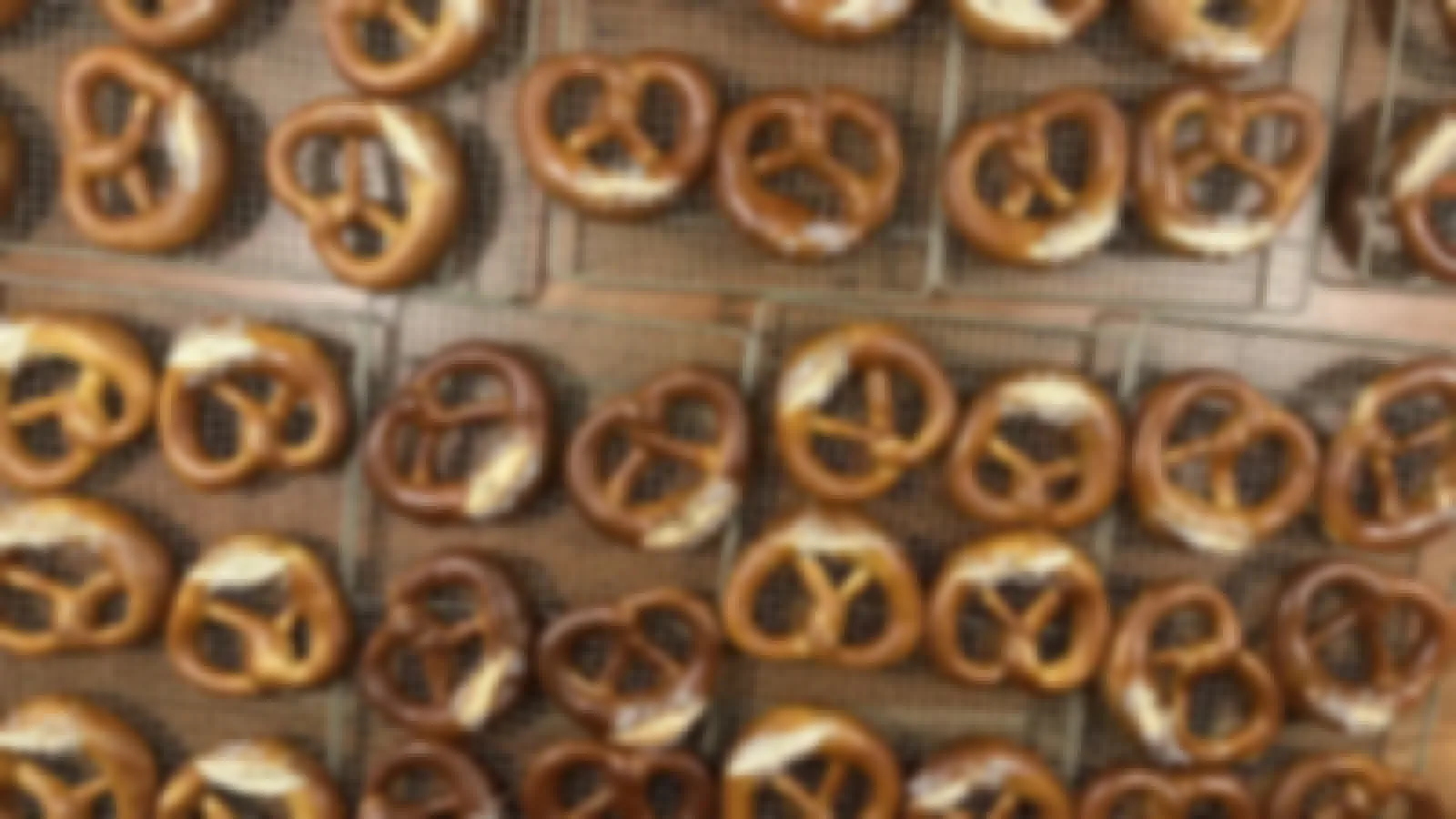
A handmade German soft pretzel — Brezel, Bretzel or Laugenbrezel depending on where you are from
One bread, six spellings

Brezel, Bretzel,
Pretzel or Brezn?

People spell it six different ways when they order from us, and every one of them is right somewhere. Here is where each name comes from — and what the knot in the middle was originally supposed to be.

Six names, one bread

They are not different products. They are the same word arriving in different places at different times.

Brezel

Standard German

The dictionary spelling, understood everywhere in Germany.

Breze

Bavaria, Austria

Same word, southern ending. What you order in Munich.

Brezn

Bavarian dialect

How it is actually said at a Bavarian beer garden.

Bretzel

Alsace, France, Switzerland

The French and Swiss spelling, with the extra t.

Laugenbrezel

Technically correct

Lye pretzel — names the process, not just the shape.

Pretzel

English, USA, New Zealand

The anglicised spelling that travelled with emigrants.

It started as a pair of arms

The Latin word bracchium means arm. Its diminutive, brachiatellum, described something with little arms — and that is what the loop in the middle of a pretzel is: two arms crossed or folded over each other. Old High German turned that into brezitella, which shortened over centuries into Brezel, softened into Breze and Brezn in the south, gained a t as it crossed into French-speaking Alsace as Bretzel, and finally lost its b altogether when German emigrants took it to America and English speakers wrote down what they heard: pretzel.

The bit that actually matters

Spelling is trivia. The real confusion is that two very different foods share one name.

The soft one — a Laugenbrezel

Fresh bread, eaten the day it is baked. Hand-rolled, dipped in lye before baking, which gives it the dark glossy crust, the coarse salt and the soft chewy middle. This is what a German means by Brezel, and it is what we make.

The hard one — a packet snack

Dried out to be shelf-stable, sold in bags, engineered to last months. It borrowed the shape and the name and became what most English speakers picture. It is a perfectly good snack. It is not the same food.

Want the detail on the lye? What makes a Laugenbrezel →

The questions people actually ask

Spelling, origin, soft versus hard, and what to call them here.

Is it Brezel, Bretzel or pretzel?

All three are the same word. Brezel is standard German, Bretzel is the French and Swiss spelling, and pretzel is the English form that came out of German-speaking emigration to the United States. Breze and Brezn are the southern German versions.

Where does the word come from?

From Latin. Bracchium means arm, and the diminutive brachiatellum described the shape of crossed or folded arms — which is what the knot in the middle of a pretzel is meant to look like. Old High German turned that into brezitella, and every modern spelling descends from it.

What is the difference between a soft pretzel and a hard one?

A German soft pretzel is fresh bread, eaten the day it is baked, with a dark shiny crust and a soft chewy inside. The hard pretzel sold in packets is a dried, shelf-stable snack. Same shape and same name, entirely different food.

What makes it a Laugenbrezel?

The lye bath. Before baking, the shaped dough is dipped in a food-grade lye solution (Lauge in German), which is what produces the dark colour and the distinctive flavour. Without it you have a bread knot, not a Laugenbrezel.

What should I call them in New Zealand?

Most people here say pretzel and everyone will know what you mean. We call ours Brezels because that is what they are — the German soft kind, made the German way.

Spell it however you like

Hand-rolled, lye-dipped and baked fresh in Rangiora. Delivered across the Waimakariri, or find us at one of our Saturday markets.

Browse the shop